
Summer can be a welcome break—but for many gifted learners, it can also be a time when curiosity and motivation fade without the right kinds of challenges. Gifted children often crave opportunities to explore ideas deeply, create something meaningful, and solve problems that don’t have one “right” answer.
The good news is that summer learning doesn’t need to look like school.
With the right STEAM tools, gifted learners can stay engaged through hands-on exploration, creative problem-solving, and playful discovery. The tools shared in this article encourage children to think deeply, ask questions, test ideas, and build confidence in their own thinking—all while having fun.
Organized into four categories—Bots, Circuits, Building, and Creativity Tools—these ten STEAM tools are designed to support the kinds of thinking gifted learners naturally enjoy, making them easy for teachers and coordinators to recommend and for families to use at home.
Coding: Thinking Logically and Creatively
Coding gives gifted learners a way to turn ideas into action. Whether they are programming a robot or designing a digital creation, coding helps children learn how to plan steps, think ahead, and solve problems. It also encourages flexibility—when something doesn’t work, learners adjust their thinking and try again.
KaiBot Hybrid Robot
KaiBot allows gifted learners to explore robotics through hands-on building and coding. Children learn to give clear instructions, predict outcomes, and debug when their robot doesn’t behave as expected. This kind of play strengthens logical reasoning, sequencing, and flexible thinking, all while keeping learners actively engaged.
imagiCharm Starter Kit
imagiCharm combines coding with creativity by allowing learners to design and program wearable digital charms. Gifted learners often enjoy this blend of art and technology, using code to express ideas and tell stories. As they experiment, children practice pattern recognition, problem-solving, and creative decision-making, making coding feel personal and meaningful.
Circuits: Exploring How Things Work
Circuit activities help gifted learners understand what’s happening behind the scenes when devices light up, move, or respond. These tools encourage curiosity, experimentation, and thoughtful tinkering—perfect for learners who love to ask “Why?” and “What if?”
Bristle Bot
Bristle Bot transforms everyday materials into tiny vibrating robots. As children build and modify their creations, they explore cause and effect, balance, and motion. This playful experimentation supports engineering thinking, helping learners test ideas, make changes, and improve their designs through trial and error.
Origami Circuits
Origami Circuits blend art and science by combining folded paper with lights and conductive tape. Gifted learners explore how electricity flows while creating visually striking designs. This hands-on approach supports creative problem-solving and conceptual understanding, especially for learners who enjoy connecting ideas across subjects.
LED Lightsabers
Building LED lightsabers gives gifted learners an exciting way to explore circuits while designing something imaginative. As children assemble components, they learn how switches, power sources, and connections work together. These projects encourage planning, persistence, and thoughtful experimentation, all wrapped in playful creativity.
Building: Designing, Planning, and Thinking in 3D
Building tools give gifted learners opportunities to visualize ideas, test structures, and refine designs. These activities strengthen spatial reasoning, planning skills, and big-picture thinking, while also encouraging independence and creativity.
Strawbees Starter Kit
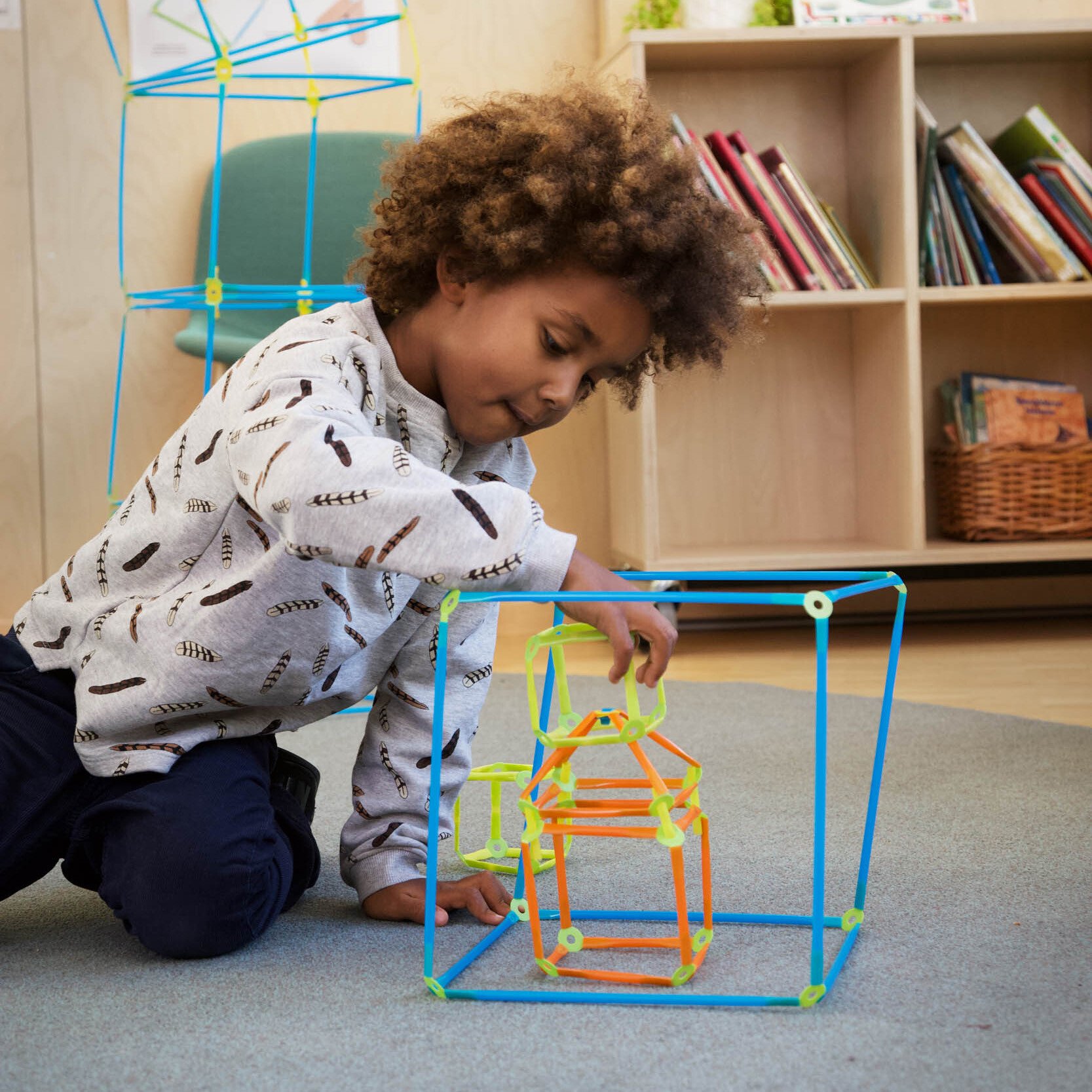
Strawbees is an open-ended building system that lets children create structures, machines, or imaginative designs. Gifted learners can start simply and gradually increase complexity as their ideas grow. Along the way, they practice problem-solving, perseverance, and flexible thinking, learning that redesigning is part of the process.
3Dux Design Architecture Sets (Iconic Home, Modern Museum, Fire Station)
These architecture sets invite learners to think like real-world designers. As children build different types of spaces, they consider how a building will be used, who it serves, and how design choices affect function. This kind of building supports deep thinking, creativity, and an understanding of how parts work together to form a complete system.
Creativity Tools: Bringing Ideas to Life
Creative tools allow gifted learners to move from imagination to creation. Whether drawing in three dimensions, constructing with real tools, or telling stories through animation, these experiences encourage original thinking, reflection, and confidence.
3Doodler Start+ Essential Pen Set
The 3Doodler pen allows learners to draw and build in three dimensions. Gifted learners can prototype ideas, create models, or experiment with design concepts. This hands-on creativity supports visualization, fine-motor skills, and design thinking, while giving children freedom to explore their own ideas.
ChompSaw
ChompSaw is a kid-friendly cutting tool that allows learners to safely work with materials like cardboard, foam, and wood. Using real tools empowers gifted learners to plan carefully, measure thoughtfully, and turn ideas into tangible creations. It supports confidence, independence, and craftsmanship.
Hue Animation
Hue Animation introduces learners to stop-motion animation and storytelling. As children plan scenes, adjust lighting, and capture frames, they develop sequencing, attention to detail, and narrative thinking. This process encourages patience and reflection while giving learners a powerful way to share ideas and stories.
What to Look For While Your Child Is Building or Creating
Signs of Deep Learning (Even When It Looks Like Play):
- Your child explains why something worked—or didn’t
- They revise or redesign instead of starting over
- They ask thoughtful questions or make connections
- They persist through challenges without giving up
These moments show critical thinking, creativity, and growth—skills that gifted learners benefit from developing year-round.
Making Thinking Visible
Using WeVideo to Reflect on Thinking and Growth
While hands-on tools spark creativity and deep thinking, reflection helps gifted learners recognize and build on that growth.
One powerful way to deepen summer learning is to help gifted learners capture and reflect on their thinking as they build, code, and create. Documenting the process—not just the final product—encourages children to slow down, explain their ideas, and recognize their own growth.
WeVideo is an easy-to-use video creation tool that allows learners to document their projects through short clips, photos, voice narration, and text. Gifted learners can:
- Record their builds or creations in progress
- Explain what worked, what didn’t, and what they changed
- Share challenges they encountered and how they solved them
- Reflect on what they would do differently next time
This kind of reflection strengthens metacognition, helping learners think about how they think. It also supports communication skills and gives children a meaningful way to share their learning with family members.
For parents, these short videos offer a window into the learning that happens during play—making thinking visible and celebrating effort, creativity, and perseverance.
Summer offers gifted learners time. Time to explore ideas deeply, follow their curiosity, and create without pressure. With the right tools, learning can feel joyful, meaningful, and self-directed.
The STEAM tools shared here are not about keeping children busy—they are about nurturing thinking, creativity, and confidence. Whether your child is building, coding, experimenting, or storytelling, these experiences help gifted learners grow in ways that last far beyond the summer months.
When learning feels playful and purposeful, curiosity doesn’t take a break—and neither does growth.Author’s Note: The tools highlighted in this article are available through Think Link Education. The selections were made based on their alignment with gifted learners’ needs and the thinking skills they support. https://thinklinkeducation.com